Art · Photography · London
Normski at V&A East: When the Underground Becomes History
Normski’s photographs enter V&A East, confirming the cultural history once written in clubs, streets and independent scenes.
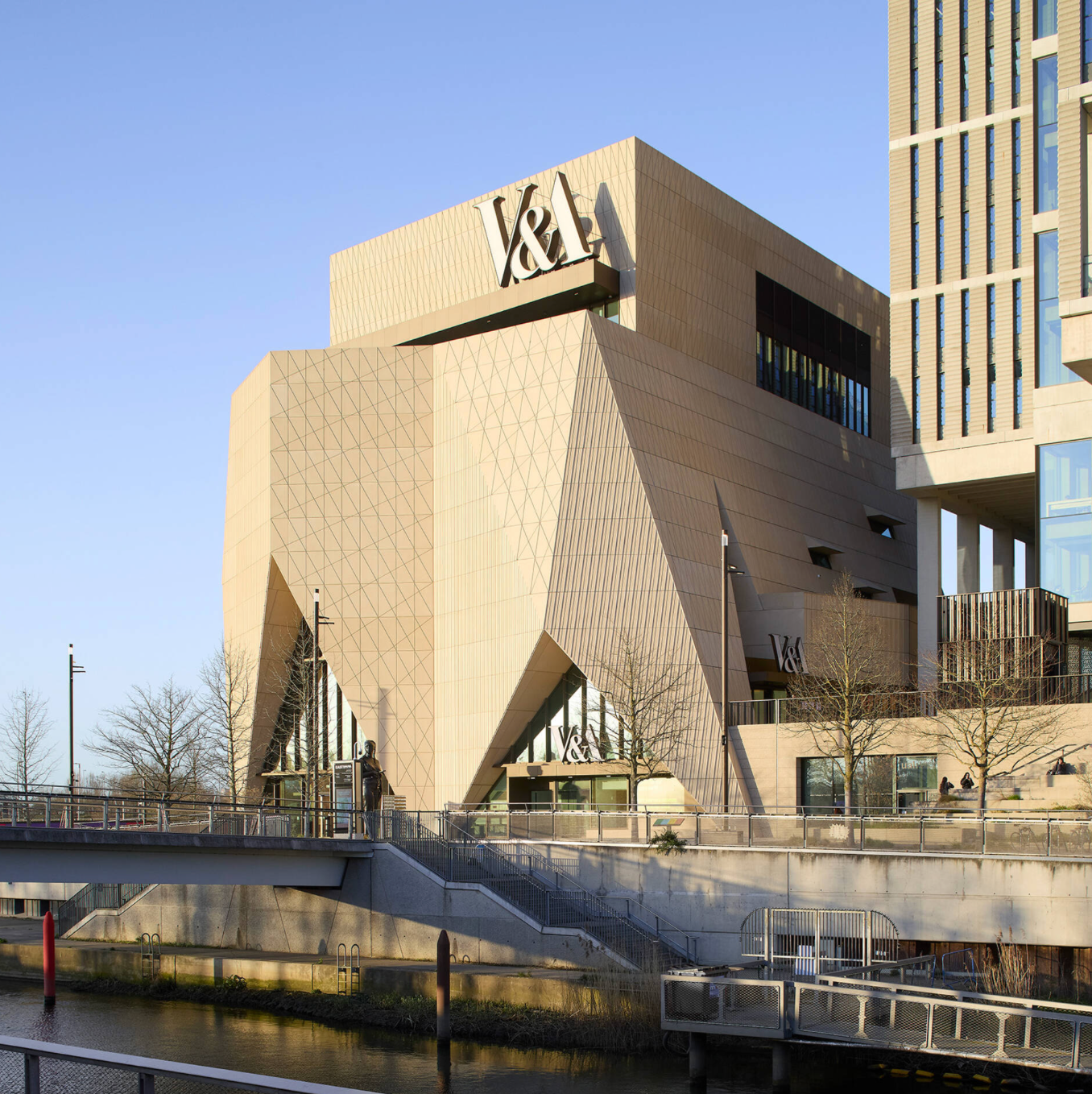
Museums rarely define culture as it happens. More often, they preserve it long after its moment has passed. Yet with The Music is Black: A British Story, the inaugural exhibition at the newly opened V&A East Museum, the Victoria and Albert Museum acknowledges something long understood by those who lived it: Britain’s Black music culture is central to the nation’s creative identity, not a footnote to it.
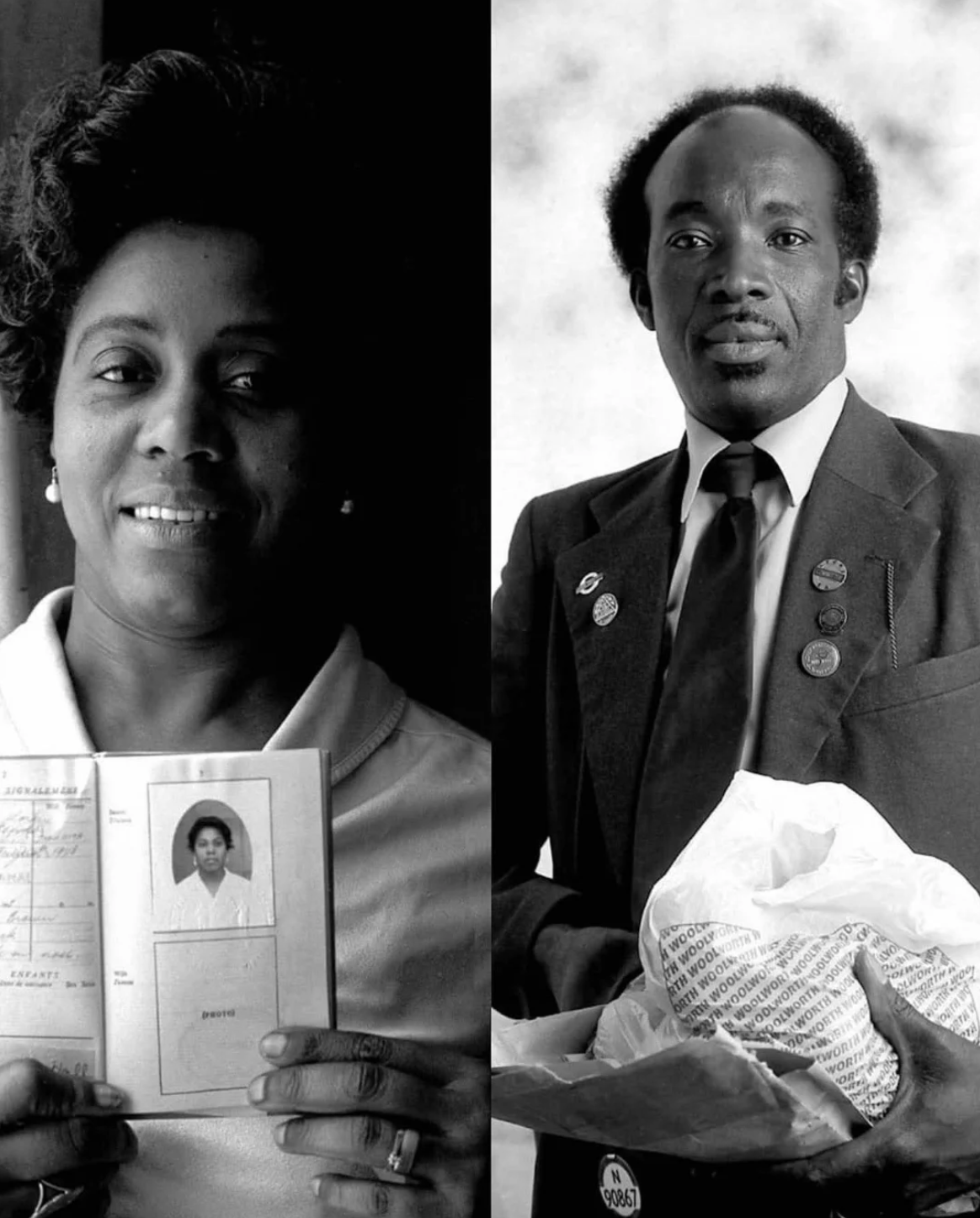
Among the photographers featured is Normski, whose images documented the emergence of British hip-hop, acid house and club culture during the 1980s and 1990s. Long before these movements entered museums or history books, Normski was photographing the people creating them—from musicians and DJs to dancers, stylists and the communities that shaped an entirely new visual language.
His photographs possess an immediacy that cannot be recreated. They are neither nostalgic nor staged. They place the viewer inside the moment, capturing the confidence, style and energy of a generation that would redefine British popular culture.
That these works now hang within the V&A East carries particular significance. As the museum’s first major exhibition, The Music is Black traces more than a century of Black British musical innovation, presenting photographs, fashion, design and archival material that reveal how music transformed not only sound, but identity, creativity and everyday life.
Normski’s contribution reminds us that photographers are not merely observers. They become historians. Their cameras preserve the fleeting expressions, fashions and attitudes that later generations rely upon to understand an era.
For COLLECT, this recognition extends beyond one photographer. It represents a broader shift in how institutions define cultural heritage. The stories once found in independent clubs, record shops and youth culture are now recognised as part of Britain’s national history.
Normski did not simply photograph a movement. He preserved the visual memory of a generation.
Today, those images have found their place where they belong: in one of the world’s leading museums, ensuring that the culture they documented will continue to inspire future generations.
The exhibition runs until Sunday, 10 January 2027. It includes photographs by Normski alongside works by other leading photographers such as Eddie Otchere, documenting the evolution of Black British music and culture over the past 125 years. Featuring more than 200 objects, photography, fashion, film and an immersive soundtrack, the exhibition positions Black British music as one of the defining forces in the nation’s creative history.