Artificial intelligence has become remarkably proficient at answering questions, writing emails and generating images. Yet perhaps its most profound transformation is not technological—it is emotional. Increasingly, people are not simply using AI. They are forming relationships with it.
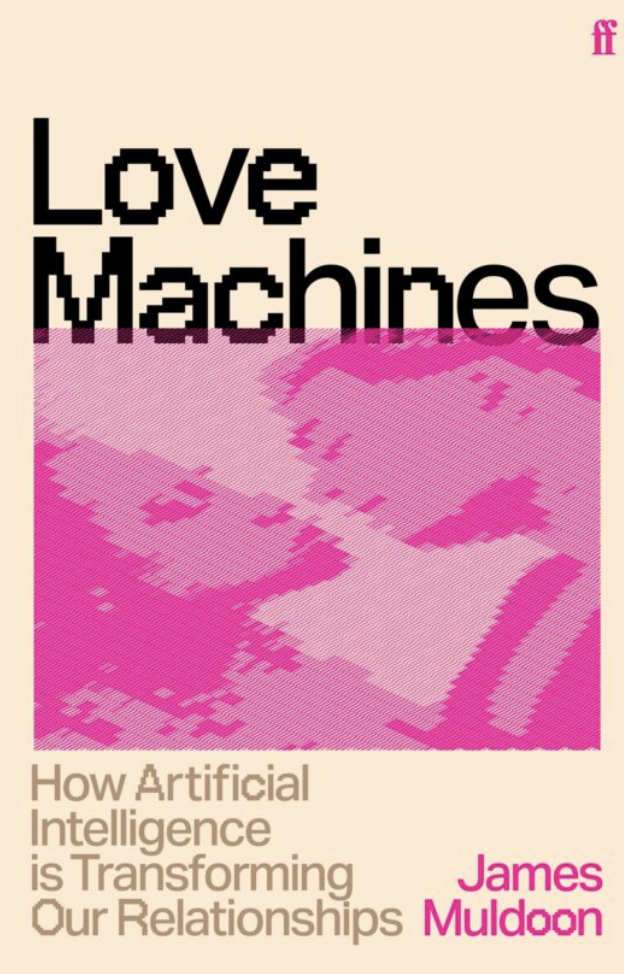
The BBC’s AI Decoded explored this phenomenon in a conversation with James Muldoon, author of Love Machines, examining how artificial intelligence is reshaping the most intimate aspects of human life. Friends. Lovers. Therapists. Even “deathbots”.
As AI evolves from a productivity tool into a constant companion, it is beginning to occupy roles once reserved for family, friends and romantic partners. The question is no longer whether machines can communicate. It is whether they can satisfy our fundamental human need to be heard.
The Rise of Emotional AI
For millions of users, conversations with AI begin innocently enough. A request to summarise a document becomes a discussion about career choices. Questions about health evolve into conversations about anxiety. Productivity advice gradually turns into emotional support.
Unlike humans, AI is always available. It remembers previous conversations, never tires and responds within seconds. For people experiencing loneliness or grief, that consistency can feel deeply comforting.
Love in the Age of Algorithms
Companion applications now encourage emotional attachment through personalised conversations, shared memories and evolving personalities. Some users report genuine feelings of love, while others describe their AI as the only entity that listens without judgement.
While AI cannot experience love as humans do, it can convincingly simulate empathy and affection, raising profound ethical and philosophical questions.
The COLLECT Perspective
Every transformative technology changes society. The printing press changed knowledge. Photography changed memory. The internet changed communication. Artificial intelligence may become the first technology to fundamentally change companionship.
The future of AI will be defined not only by technological progress but by how humanity chooses to balance digital intimacy with authentic human connection.